
Search This Supplers Products:Magnesium SulphateMagnesium OxideAmmonium SulphateZinc SulphateFerrous SulphatePotassium Sulphate
Turkey Buyers Turn to Magnesium Sulphate Supply Shift
publisher、Saskia
time2026/04/03
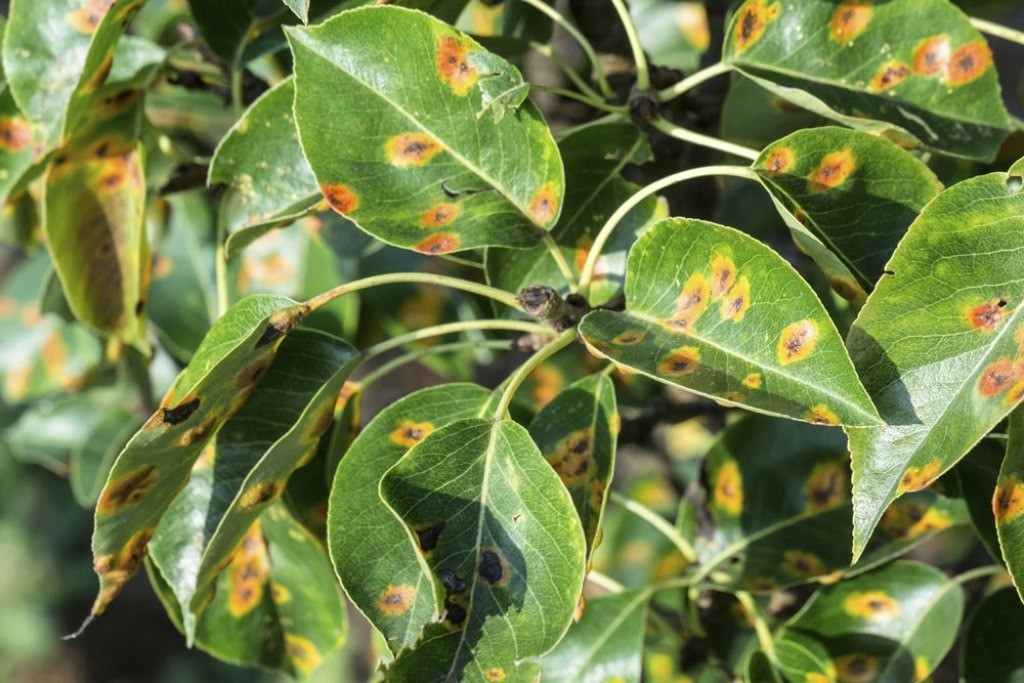
- Turkey fertilizer buyers are shifting toward magnesium sulphate due to soil deficiency and price trends.
Turkey Buyers Turn to Magnesium Sulphate Supply Shift
In 2026, fertilizer procurement behavior in Turkey is undergoing a noticeable shift. More agricultural buyers are actively sourcing magnesium sulphate fertilizer as soil magnesium deficiency becomes a growing concern across key farming regions. Compared with traditional NPK-based inputs, agricultural magnesium sulphate is gaining attention for its ability to improve crop quality, enhance chlorophyll formation, and support higher yield stability.
According to recent global market insights, agriculture already accounts for nearly half of total magnesium sulphate consumption, and this trend is becoming more visible in emerging markets like Turkey. Buyers are no longer purchasing fertilizers only based on price; instead, they are evaluating micronutrient efficiency and long-term soil health. This shift is pushing local distributors to increase imports and cooperate more closely with international magnesium sulphate suppliers who can provide stable and consistent quality.
Another key factor behind this transition is pricing and supply dynamics. While global magnesium sulphate price trends remained relatively stable in Asia due to balanced supply and steady agricultural demand, European markets experienced fluctuations due to cautious purchasing behavior.
Turkish buyers, positioned between European and Asian supply chains, are becoming more strategic. Many importers are now prioritizing magnesium sulphate bulk purchasing contracts to reduce cost volatility and ensure supply continuity during peak planting seasons. In particular, epsom salt agriculture applications are increasing in greenhouse vegetables, fruit orchards, and export-oriented crops, where visual quality and nutrient balance are critical for market competitiveness.
From a procurement perspective, this means suppliers must not only offer competitive pricing but also demonstrate logistics reliability, export experience, and product consistency—key decision factors for B2B buyers.
Looking ahead, the role of magnesium sulphate in Turkey’s fertilizer structure is expected to expand further. As precision agriculture practices develop and farmers become more aware of micronutrient management, demand for specialized fertilizers will continue to rise. Industry forecasts suggest that magnesium sulphate demand will grow steadily at around 5–7% annually, supported by both agricultural and industrial applications.
For global exporters, this trend presents a clear opportunity. Turkish buyers are increasingly seeking long-term partnerships with reliable magnesium sulphate supplier networks that can support bulk supply, customized grades, and technical guidance. Companies that can align product quality with agronomic performance—and deliver stable supply chains—will be best positioned to capture this evolving market.
MgSO4 Group Limited We have a profound understanding of the different needs of different customers, and our magnesium sulphate products, including some high-quality magnesium sulphate fertilizer, are derived from a strict quality control system, ensuring that the purity, solubility, and safety of each batch of products meet high standards, helping customers maximize production potential and economic benefits.
if you are interested in our products, you can contact us directly through the mailbox, if necessary, you can also use WhatsApp for quick consultation.
————————————————————————————————————————————————————————————————
[Platform release disclaimer]
This platform part of the article picture source or adapted from the Internet, the main purpose is to share information, so that more people get the information they need, the copyright belongs to the original author, such as infringement of your rights and interests or copyrights, please let us know in time, we will be deleted within 24 hours!