
Search This Supplers Products:Magnesium SulphateMagnesium OxideAmmonium SulphateZinc SulphateFerrous SulphatePotassium Sulphate
Digital Agriculture Platforms Transforming Farming 2026
time2026/07/02
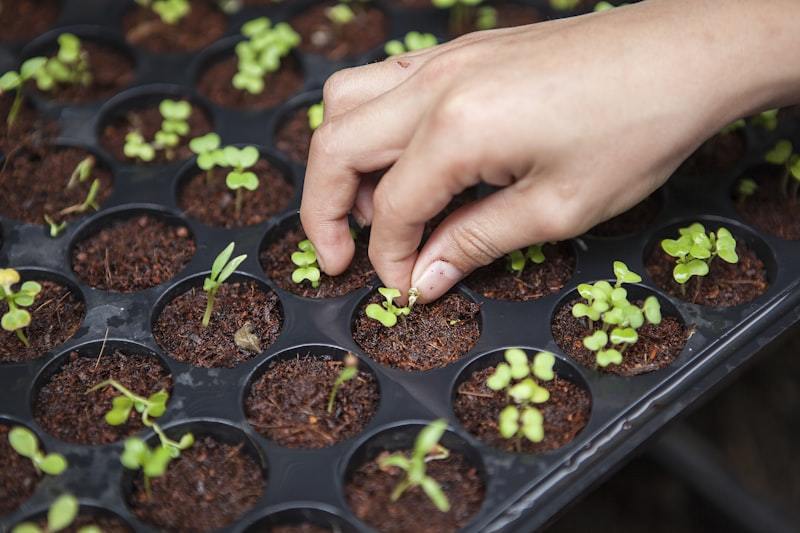
- How digital agriculture platforms and IoT sensor networks are revolutionizing fertilizer application, crop monitoring, and farm management practices worldwide in 2026.
Internet of Things Networks Enable Real-Time Soil Nutrient Monitoring
The deployment of Internet of Things sensor networks across agricultural land is fundamentally changing the way farmers monitor and manage soil nutrient levels, including magnesium availability. In 2026, an estimated 180 million hectares of farmland globally are covered by at least one type of connected agricultural sensor, representing a 34% increase from 2025. These sensor platforms continuously measure soil moisture, pH, temperature, and electrical conductivity, with advanced multi-parameter probes now capable of estimating available nitrogen, phosphorus, potassium, and magnesium levels in real time. The data generated by these networks flows directly into farm management software platforms that generate variable-rate fertilizer application prescriptions tailored to the specific nutrient requirements of each zone within a field.
Precision Fertilizer Application Reduces Waste and Improves Crop Yields
Variable-rate application technology for magnesium sulfate and other fertilizers has reached commercial maturity in 2026, with equipment manufacturers reporting record sales of GPS-guided spreaders and precision sprayers to agricultural cooperatives and large-scale farming operations. The economic case for precision fertilizer application is compelling: field trials conducted across multiple crop categories have demonstrated 15–25% reductions in total fertilizer consumption while maintaining or increasing crop yields, compared to conventional uniform-rate application methods. This efficiency gain translates directly to cost savings for farmers and meaningful environmental benefits through reduced nutrient runoff into waterways and groundwater systems. The technology is particularly valuable for magnesium sulfate application, where the relatively small recommended application rates make uniform distribution challenging with conventional equipment.
Artificial Intelligence Models Predict Crop Magnesium Requirements with High Accuracy
Artificial intelligence and machine learning algorithms trained on multi-year crop performance datasets are now capable of predicting optimal magnesium sulfate application rates with accuracy rates exceeding 85% in most crop categories. These AI models incorporate data from soil tests, weather forecasts, satellite imagery, and historical yield records to generate site-specific fertilization recommendations that account for the complex interactions between magnesium availability and other growth factors. Several major agricultural technology companies have launched commercial AI-powered fertilization advisory services in 2026, making precision nutrient management accessible to medium-sized farms that lack the internal technical expertise to develop proprietary modeling capabilities.
Blockchain Technology Improves Fertilizer Supply Chain Traceability
Blockchain-based traceability platforms are gaining adoption in the magnesium sulfate and broader fertilizer supply chain, providing agricultural buyers with verified provenance information for the products they purchase. Major international fertilizer traders have implemented blockchain systems that record manufacturing details, quality test results, transportation conditions, and storage history for each batch of product, creating an immutable audit trail that travels with the material from factory to farm. This transparency initiative responds to growing demand from food companies and agricultural certification programs for documented supply chain sustainability credentials. Early adopters report that blockchain-verified magnesium sulfate commands a price premium of 2–4% in European and North American markets where sustainability-conscious purchasing policies influence procurement decisions.
Mobile Farm Management Applications Reach 50 Million Active Users
Mobile applications designed for farm management and agricultural decision support have accumulated more than 50 million active monthly users globally as of mid-2026, reflecting the rapid digitalization of farming practices worldwide. These applications integrate field mapping, crop planning, input tracking, yield recording, and financial management functions into unified platforms accessible from smartphones and tablets. Many applications now include fertilizer recommendation modules that incorporate real-time soil data, weather forecasts, and crop growth stage information to generate timing and rate recommendations for magnesium sulfate and other nutrient applications. The widespread availability of these tools is democratizing access to precision agriculture knowledge that was previously accessible only to large-scale operations with dedicated agronomic staff.
Satellite Imagery and Remote Sensing Transform Crop Health Monitoring
High-resolution satellite imagery and drone-based remote sensing platforms are enabling farmers to identify magnesium deficiency symptoms in crops before they become visually apparent, creating opportunities for targeted corrective fertilization applications. Multispectral and hyperspectral imaging technologies can detect the characteristic yellowing and stunted growth patterns associated with magnesium deficiency at early stages, allowing agronomists to prescribe rescue applications of magnesium sulfate that prevent yield losses. Commercial remote sensing services have expanded significantly in 2026, with competitive pricing that brings these capabilities within reach of commercial farms as small as 50 hectares. Integration between remote sensing platforms and variable-rate fertilizer application equipment enables automated treatment responses that address detected deficiencies within days of image acquisition.
Conclusion: Digital Transformation Redefines Agricultural Input Management
The digital agriculture revolution unfolding in 2026 is transforming every aspect of how magnesium sulfate and other agricultural inputs are researched, manufactured, distributed, and applied. From IoT soil sensors and AI-powered recommendation engines to blockchain traceability and satellite crop monitoring, technology is creating unprecedented visibility and control over the nutrient management process. These innovations are driving more efficient use of magnesium sulfate, reducing environmental impact, and helping farmers achieve higher crop yields with lower input costs. Industry participants across the magnesium sulfate value chain should invest in digital literacy and technology integration capabilities to remain competitive in an increasingly data-driven agricultural marketplace.

Featured Product: Agricultural Magnesium Sulfate Heptahydrate 99% crystal powder for crops
Future Outlook: Digital-Magnesium Integration by 2030
The convergence of precision agriculture technologies with advanced mineral nutrition programs points to a new era of farming. Magnesium sulfate application, guided by real-time sensor data and AI-powered recommendations, is set to become a cornerstone of sustainable agricultural intensification worldwide.